What is generative AI?
By RD ·
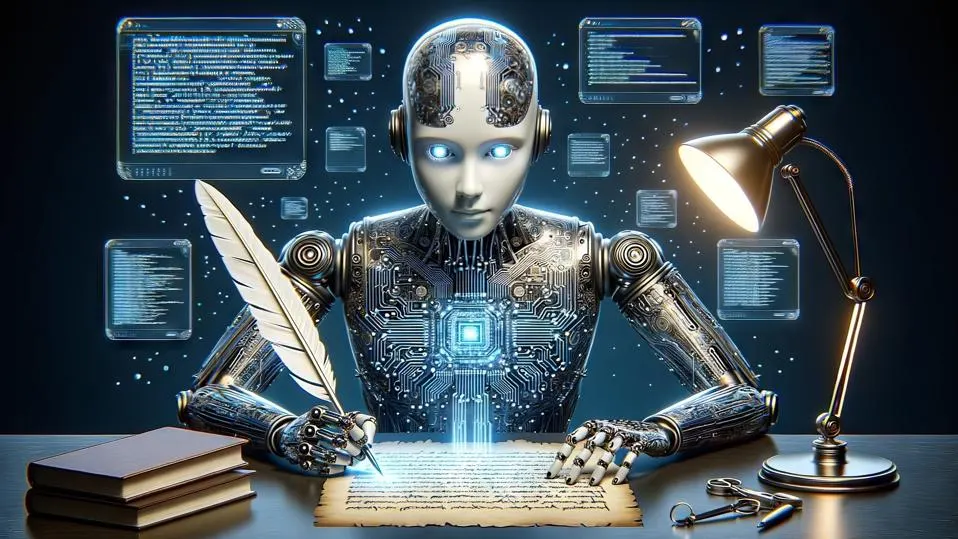
Imagine an AI that paints, writes, sings, and even dreams in code — "welcome to the world of Generative AI."
Introduction
Generative AI isn’t just a tech trend—it’s a transformation. We’ve moved from telling computers what to do to letting them create, collaborate, and even surprise us.
From writing stories and generating artwork to suggesting code and designing new drugs, Generative AI is the closest thing we have to a digital creative partner. Powered by machine learning and fueled by massive datasets, it’s changing the way we think about content, productivity, and problem-solving.
But what is it really? And how do tools like ChatGPT, Gemini, or Claude AI work under which hood? Let’s dive into the magical mechanics of Generative AI, break it down to its core components, and look at real-world applications—and concerns.
How Does Generative AI Work?
At its heart, Generative AI is like a highly trained digital artist that learns from a massive collection of human creations—text, images, code, audio—and then generates original content that feels human.
It works through:
1. Machine Learning (ML): Trains models to recognize patterns in data and make predictions or generate content.
2. Large Language Models (LLMs): Specialized in understanding and generating natural language.
Imagine giving a child every book ever written, and then asking them to write a new one. That’s what Generative AI does just a lot faster and with less sleep.
💡 Understanding the Building Blocks: ML & LLMs
What is Machine Learning (ML)?
Machine learning is like teaching by example. You feed a model tons of data, it identifies patterns, and then makes predictions or decisions based on new data.
For example: Training an email filter to detect spam involves showing it thousands of spam and non-spam messages. The model learns the patterns and can filter new emails accordingly.
🤖 What is a Large Language Model (LLM)?
LLMs are massive machine learning models trained specifically on language data. They understand grammar, syntax, semantics—and can generate text by predicting the next word in a sentence based on context.
Assume LLM as your ultra-knowledgeable writing partner. You provide the prompt, and they spin it into a story, a summary, code snippet, or even a song.
Model Developer Strength ChatGPT OpenAI Human-like text, chatbots, multi-input. Gemini Google Strong comprehension and reasoning. Claude Anthropic Ethical and Safe Text Generation. Llama Meta Efficient and scalable model. Grok xAI Real-time social media interaction
Real-World Applications of Generative AI 🎯
Generative AI isn’t science fiction—it’s already transforming industries:
🎨 Art & Design: Tools like Midjourney generate stunning visuals from prompts.
✍️ Content Creation: ChatGPT writes blogs, emails, and stories in seconds.
💊 Drug Discovery: AI generates molecular structures to test for new treatments.
🎮 Game Development: AI designs game levels, character dialogues, and music.
🛍️ E-commerce: Personalized recommendations and dynamic product descriptions.
⚠️ Concerns and Considerations
With great creativity comes great responsibility. Generative AI is easy to use, but also brings a few risks along for the ride:
Social Risks
AI might unintentionally generate offensive, biased, or misleading content. Reflects poorly on organizations if not managed.
Privacy Risks
User data may inadvertently be used in training or outputs. Can potentially violate data privacy laws (e.g., GDPR, HIPAA).
Regulatory Concerns
IP infringement from AI-generated content. Compliance with copyright laws and fair use policies.
Conclusion
Generative AI is the creative engine of the AI era. From text to code, image to audio, it’s reshaping how we interact with machines and how machines contribute to our lives.
But while it opens doors to incredible possibilities, it also demands ethical, responsible, and human-centered implementation. As developers, testers, and users, we must not just be in awe of what Generative AI can do but stay vigilant about what it should do.