Software Testing in Agile vs. Waterfall Model
By Ulhas Deshmukh ·
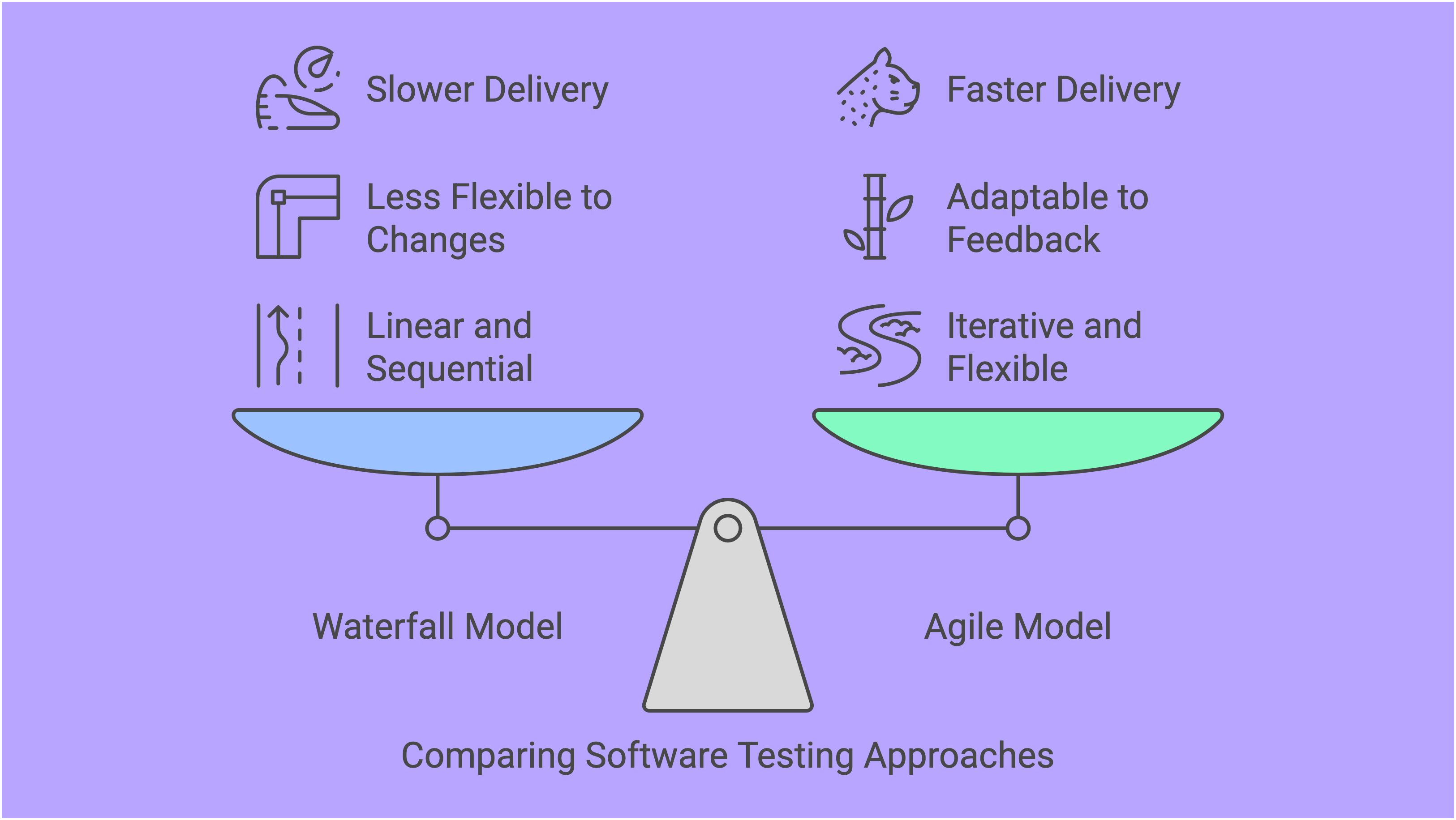
Imagine building a bridge across a river. Would you prefer planning every bolt and beam beforehand (Waterfall) or assembling as you go, adapting to challenges (Agile)? Software testing works similarly: it depends on the development methodology. For test engineers, QA leads, and managers, understanding how testing aligns with Agile and Waterfall models is critical. Let’s demystify these two approaches and help you choose the right testing strategy.
Imagine building a bridge across a river. Would you prefer planning every bolt and beam beforehand (Waterfall) or assembling as you go, adapting to challenges (Agile)? Software testing works similarly: it depends on the development methodology. For test engineers, QA leads, and managers, understanding how testing aligns with Agile and Waterfall models is critical. Let’s demystify these two approaches and help you choose the right testing strategy.
Agile vs. Waterfall: A Quick Refresher
Waterfall Model
The Waterfall methodology is a sequential approach where each phase (requirements, design, development, testing, deployment) is completed before moving to the next. Testing happens near the end, just before deployment. Example: Imagine constructing a skyscraper where every floor is completed before adding the next one. Once the foundation is laid, there’s no going back to fix it.
Agile Model
Agile, on the other hand, emphasizes iterative development. Teams deliver small, workable chunks of the product in sprints (typically 2-4 weeks). Testing is continuous, integrated into every sprint. Example: Think of Agile as baking a cake layer by layer, tasting (testing) after each one to ensure perfection.
Testing in Agile vs. Waterfall
Here’s how testing differs in these two methodologies
1. Timing of Testing
Waterfall: Testing starts after the development phase ends. Bugs discovered here often delay the release or require costly fixes. Agile: Testing is ongoing and happens alongside development. Early detection saves time and resources. Testing starts after the development phase ends. Bugs discovered here often delay the release or require costly fixes.
2. Role of Testers
Waterfall: Testers work in isolation, receiving a ‘finished’ product. Communication with developers is minimal. Agile: Testers are part of the development team, collaborating closely with developers and product owners.
Real-Life Example
Waterfall: In a government project to develop tax software, requirements were fixed upfront. Testing at the end revealed security flaws, delaying the launch by six months. Agile: An e-commerce app was built iteratively. Testers identified and resolved a payment gateway issue in the second sprint, avoiding a major post-launch crisis.
Case Study: Spotify’s Agile Journey
Spotify’s success lies in Agile squads, where testers, developers, and designers work as one team. Continuous testing ensures quick releases with minimal bugs. Learn more about Spotify’s Agile model here.
When to Choose Agile or Waterfall for Testing
Go for Waterfall If:
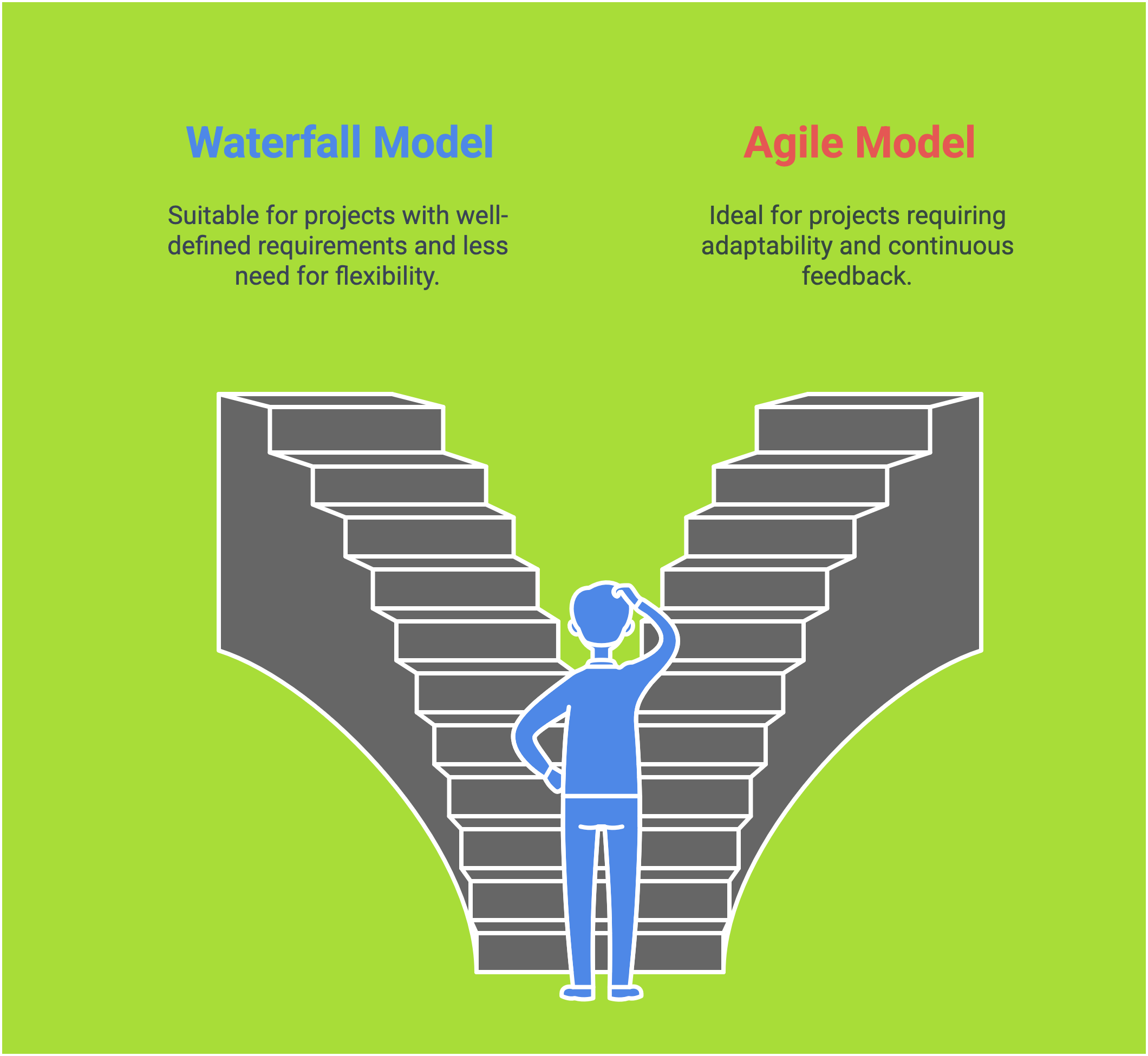
Requirements are well-defined and unlikely to change. Testing involves complex, regulated systems (e.g., aerospace, medical).
Go for Agile If:
You’re developing a dynamic product with frequent requirement changes. Quick feedback and adaptability are essential.
Conclusion
Testing isn’t a one-size-fits-all activity. While Waterfall ensures thorough documentation and structured phases, Agile thrives on collaboration and flexibility. As a QA professional, your choice depends on project needs, team dynamics, and business goals. Remember, the ultimate aim of testing is not just to find bugs but to deliver value to users. Ready to share your experience? Drop your thoughts in the comments below! And don’t forget to follow us for more QA insights. Stay Agile or stay structured—just keep testing!
References
Beck, K. (2001). Agile Manifesto. Retrieved from agilemanifesto.org Royce, W. (1970). Managing the Development of Large Software Systems. IEEE. Spotify Engineering Culture. (2014). Retrieved from engineering.atspotify.com
Poll Time!
Which model do you use for testing? Agile Waterfall Hybrid Cast your vote in the comments section or on our LinkedIn poll here.
Read Also: Why software testing important?